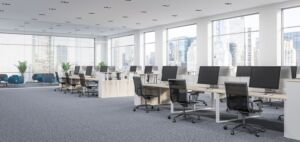


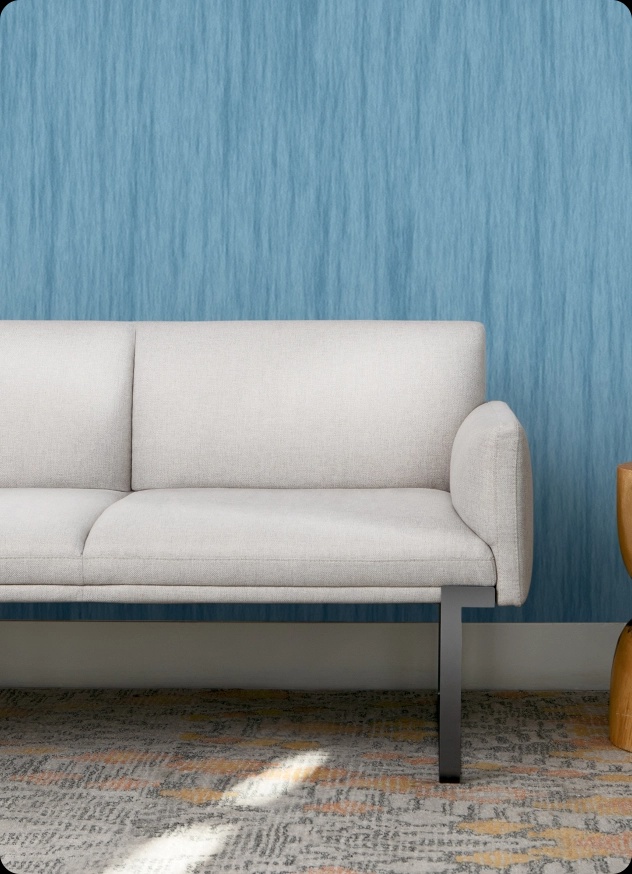


Open concept doesn’t automatically mean collaborative. In fact, many offices invest in shared spaces that end up sitting empty — not because teams don’t want to collaborate, but because the layout simply doesn’t support how they actually work.
Well-planned collaborative office space layouts focus less on trends and more on function. When space is intentionally designed, it encourages conversation, supports productivity, and feels natural to use rather than forced.
Here’s how to plan collaborative areas your team will actually use.
Before moving furniture or sketching a floor plan, take a step back. Are your teams meeting in small groups? Hosting quick stand-ups? Jumping on frequent video calls? Reviewing physical materials together?
Not all collaboration looks the same, and your layout shouldn’t either. A comfy lounge setup might be perfect for quick brainstorms or casual chats, while larger tables with easy access to power make more sense for project work that needs laptops, notes, and a bit of focus. It’s about designing a space that actually fits how your team works day-to-day.
Effective Collaborative Office Space Layouts use defined zones rather than a single large, open area. This might include:
Creating clear zones also helps cut down on noise and confusion. When it’s obvious what a space is meant for, whether that’s a quick meeting, focused teamwork, or a casual catch-up, people feel more comfortable using it. A clear purpose makes a space feel intentional, and intentional spaces naturally get used more often
Even in a collaborative office, people still need moments to focus. Without any sound control or visual separation, shared spaces can start to feel noisy and distracting quickly. Simple design choices like adding privacy panels, spacing furniture thoughtfully, or positioning workstations away from busy walkways can make a big difference. It keeps the space’s energy without turning it into a constant distraction.
Teams change. Projects shift. Headcounts grow.
Collaborative layouts should be able to adjust over time. Movable tables, modular furniture, and adaptable configurations make it easier to refresh your layout without starting from scratch. When your space can evolve with your business, it stays useful longer.
Great collaborative office space layouts don’t happen by accident; they’re planned with how your team actually works in mind.
At Alberta Office Furniture, we help businesses design collaborative office spaces that feel natural, functional, and easy to use. From thoughtful space planning to custom office furniture solutions, we focus on creating layouts that support productivity and teamwork without unnecessary complexity.
We believe that when your layout aligns with your team, collaboration becomes part of the day’s flow! Request a quote today.